Protection from Environmental Factors
Clothing plays a pivotal role in safeguarding individuals from the diverse environmental elements they encounter daily. One of the primary functions of clothing is to provide protection against extreme temperatures, be it the cold of winter or the scorching heat of summer. For instance, jackets made from insulated materials are designed to retain body heat in frigid conditions, whereas breathable fabrics such as cotton or moisture-wicking synthetics help dissipate sweat and keep the body cool during warmer months.
Furthermore, clothing’s protective capabilities extend to shielding the body from rain and sun exposure. Waterproof materials designed for rainy climates, such as Gore-Tex, are essential for keeping individuals dry while exploring the outdoors. Conversely, UV-protective clothing becomes increasingly important in sunny regions, helping to prevent skin damage associated with prolonged sun exposure. This illustrates the adaptability of clothing, which has evolved over time to meet the demands of its environment.
Layering is another fundamental aspect of clothing’s protective function. By combining various fabrics and styles, individuals can adjust their attire to accommodate changing environmental conditions, such as fluctuating temperatures or precipitation. For example, a base layer can wick moisture away from the skin, while a mid-layer provides insulation, and an outer layer offers wind and water resistance. This method of dressing not only enhances comfort but also significantly reduces the risk of hypothermia or heat-related illnesses during outdoor activities.
Moreover, in specific occupational settings, clothing serves as a critical line of defense. High-visibility apparel, fire-resistant fabrics, and protective gear such as helmets and gloves are vital in ensuring safety across various industries. These specialized clothing styles help to minimize injury risk and contribute to a safer working environment. Overall, clothing’s multifaceted protective attributes underscore its essential role in enhancing daily comfort and ensuring safety in various contexts.
Expression of Identity and Personal Style
Clothing represents one of the most personal forms of self-expression, allowing individuals to communicate their identity, beliefs, and tastes to the world. Each choice, from fabrics to colors, serves as a unique articulation of one’s personality. In this way, clothing transcends its basic functionality and emerges as a medium for the expression of individuality. Cultural influences significantly shape clothing preferences, as individuals often draw upon traditional garments, symbols, and colors inherent to their backgrounds. For example, a brightly colored dashiki may not only reflect a person’s heritage but also serve as a statement of pride.
Moreover, clothing choices can signal social status and affiliations, often acting as a visual representation of class and economic standing. The luxury brand market, for instance, frequently capitalizes on the notion of prestige related to designer labels. However, it’s essential to recognize that personal taste plays a crucial role in clothing selection. An individual’s wardrobe choices often mirror their experiences, social circles, and aspirations, which can influence their fashion decisions. This interconnectedness suggests that fashion is not just about the clothing itself, but about how those garments relate to one’s broader life narrative.
The concept of fashion as an art form further underlines its status as a vehicle for culture and individual expression. Designers and artists often create collections influenced by societal trends, political movements, and cultural dialogues, which in turn resonate with the public’s evolving perceptions of style and identity. Different styles and trends reflect the values of society; for instance, vintage fashion may signify nostalgia, while sustainable clothing choices reflect environmental consciousness.
Importantly, the act of getting dressed can significantly affect an individual’s self-confidence. The right clothing can enhance one’s self-perception and alter how they are perceived in social situations. The psychology of color, for instance, suggests that specific hues can evoke certain emotions, impacting how one feels wearing them. Ultimately, clothing serves not only as a means of self-expression but as an influencing factor in social dynamics and personal confidence.
Social and Cultural Significance of Clothing
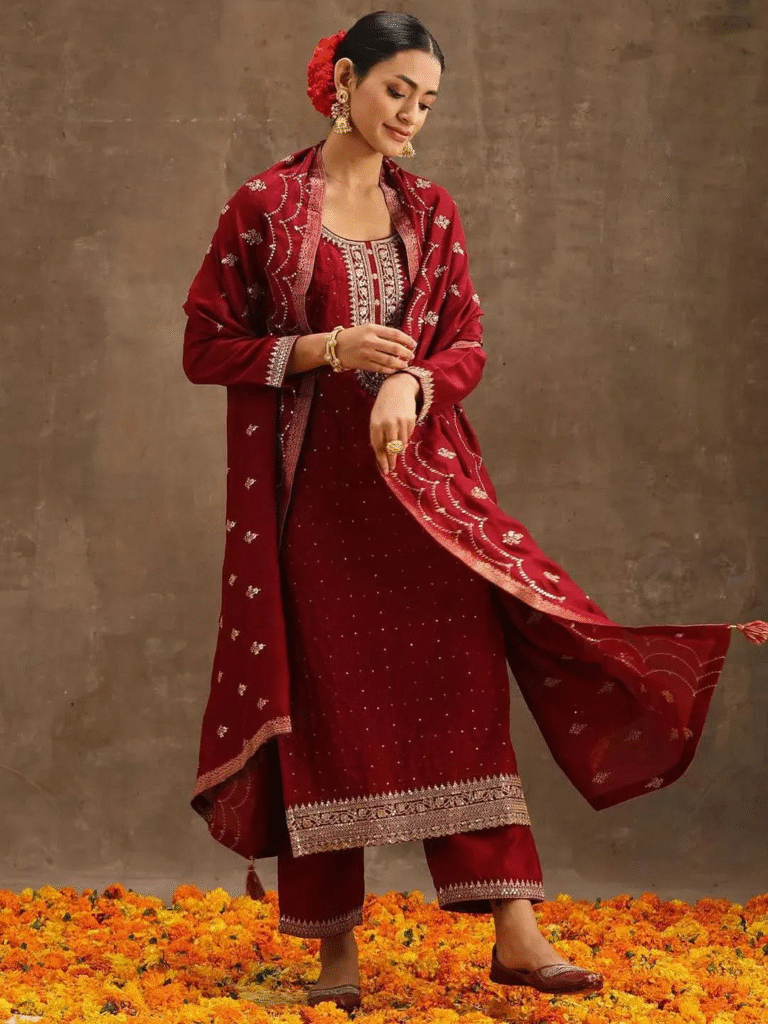
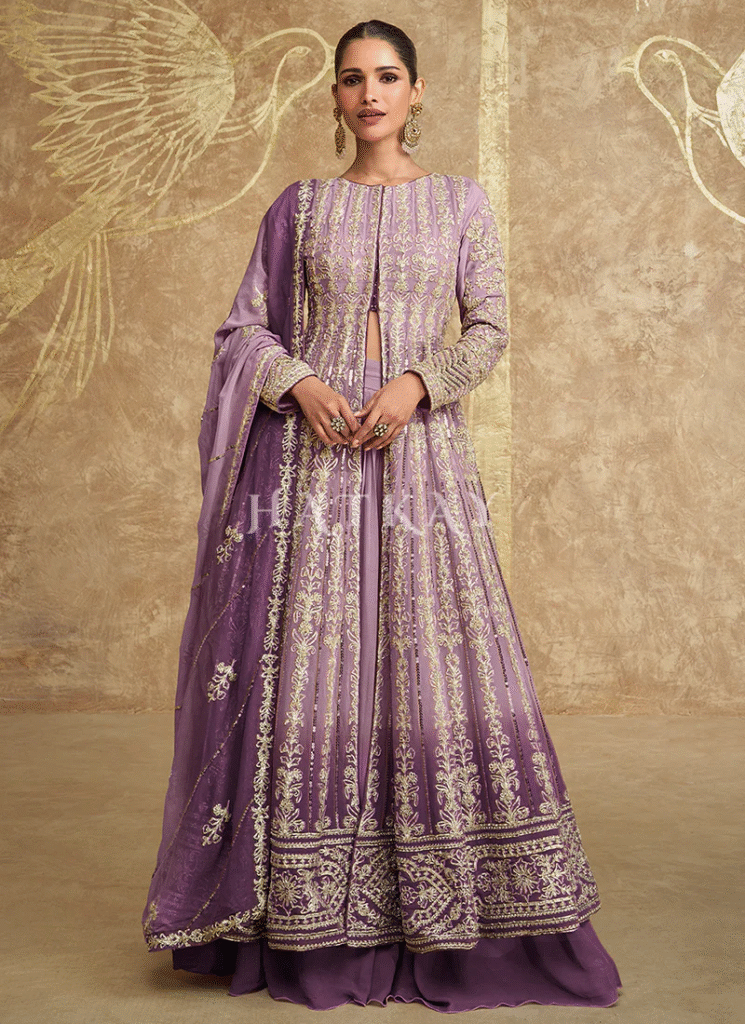
Clothing serves as a powerful medium to convey social identity and cultural heritage, reflecting the values, beliefs, and traditions of a community. Throughout history, specific garments have become symbols of cultural practices, often intricately linked to the customs and rituals of various groups. For instance, traditional attire such as the kimono in Japan or the sari in India encapsulates not just fashion but also deep-rooted cultural significance, representing an enduring connection to heritage and communal identity. These clothing styles hold stories of their own, often passed down through generations, highlighting the importance of preserving cultural narratives.
Moreover, clothing operates at the intersection of social identities, allowing individuals to align themselves with specific communities or movements. In contemporary society, attire often signifies belonging to a particular group, such as the adoption of streetwear among urban youths or the use of business attire to signify professionalism. The choice of clothing can reflect allegiance to social causes, illustrating how fashion can give voice to political and social movements. For example, activists may wear specific colors or designs that symbolize their stance on issues like environmentalism or equality, acting as a unifying force among participants.
Additionally, the relationship between clothing and aspects such as gender, ethnicity, and class cannot be overlooked. Attire can reinforce social hierarchies, as certain styles are often associated with privilege or prestige, further perpetuating stereotypes and societal constructs. Conversely, clothing can also challenge these norms, as seen in the rise of gender-neutral fashion, which defies traditional gender roles and promotes inclusivity. In these ways, clothing not only reflects individual identity but also mirrors the broader social dialogues occurring within various cultural contexts. Thus, the social and cultural significance of clothing underscores its role as a vital component of human expression and social interaction.
Economic Implications of the Clothing Industry
The clothing industry is a vital component of the global economy, contributing substantially to employment, trade, and development. The production of apparel encompasses a complex supply chain involving raw material sourcing, manufacturing, distribution, and retailing. Globally, the clothing industry is estimated to be worth over $2 trillion, illustrating its immense scale and significance. Millions of jobs, particularly in developing countries, are associated with garment manufacturing, often representing a primary source of income for communities. However, this industry also faces challenges related to labor practices, with reports of exploitation and unsafe working conditions alarming advocates for ethical production.
The distribution aspect of the clothing industry is equally critical, as it involves transporting garments from manufacturing sites to global markets. Efficient logistics are essential for meeting consumer demands, particularly with the rise of fast fashion, which relies on rapid turnover of trends and accessibility. This model has been praised for offering affordability and variety; however, it has raised concerns regarding its environmental impact. Fast fashion leads to increased waste and resource depletion, prompting calls for a more sustainable approach to clothing consumption.
Sustainability in clothing production has emerged as a pressing issue, prompting various stakeholders to adopt ethical practices and sustainable materials. Manufacturers are increasingly exploring environmentally friendly fabrics, such as organic cotton and recycled polyester. Furthermore, circular economy initiatives, which promote recycling and reusing garments, are gaining momentum in addressing waste management challenges. Nonetheless, the industry grapples with the dichotomy between catering to consumer demands and maintaining environmental responsibility. As public awareness rises, consumers are encouraged to support brands that prioritize sustainability, reinforcing the notion that economic growth and ecological well-being can coexist.